Contact Us Today312-702-1293

Taking the First Steps to Leave an Abusive Relationship
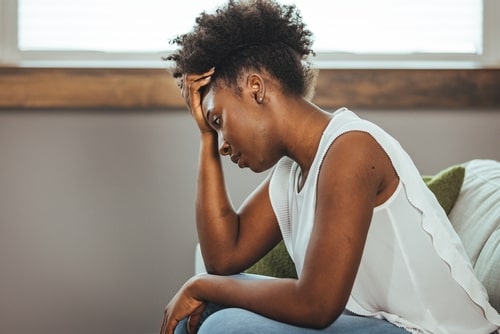 Domestic violence affects people from all walks of life. It does not matter what someone looks like, where they come from, or how much money they have. Abuse can happen to anyone. According to the Illinois Coalition Against Domestic Violence, one in three women and one in seven men experience domestic violence.
Abuse is not just about hurting someone physically, though. There are many different types of abuse. Knowing the warning signs can help you figure out if you or someone you care about is in a dangerous relationship.
If you are in an abusive relationship, our Orland Park family law attorneys can help you understand your options and take steps to protect yourself.
What Are the Signs of an Abusive Relationship in 2026?
Some people stay in abusive relationships because they love their partner and hope things will change. Others may not realize they are being abused. They might think they are overreacting or that the problems are their fault. Recognizing the signs of abuse is the first step toward getting help.
Common Warning Signs of Abuse
An abusive partner may act in ways that control, scare, or hurt you. These behaviors often get worse over time. Common signs include:
-
Your partner tells you that you never do anything right.
-
They try to stop you from seeing friends or family members.
-
They insult you, put you down, or make you feel worthless.
-
They control all the money and do not let you have access to finances.
-
They decide who you can talk to, where you can go, or what you can do
-
Their words or actions frighten you.
-
They threaten you or use weapons to scare you.
-
They push, hit, kick, or physically hurt you in any way.
Abuse can also include sexual violence, which is any sexual act your partner makes you do against your will.
I Am Afraid to Leave My Abusive Partner. What Can I Do?
Leaving an abusive relationship is one of the hardest decisions you may ever make. Many people worry about what will happen when they try to leave. Abusers often become more dangerous when they feel they are losing control. This is why it is so important to plan ahead and put your safety first.
Creating a "safety plan" before you leave can help protect you and your children, if you have them. A safety plan is a list of steps you can take to stay safe during and after you leave.
Safety Plan Steps for Planning to Leave an Abusive Partner:
-
Talk to people you trust, like friends, family members, or a counselor. Let them know what is happening so they can support you.
-
Keep important documents in a safe place where your partner cannot find them. This includes identification cards, birth certificates, Social Security cards, bank statements, and any court papers.
-
Set aside money if you can. Open a bank account in your name if it is safe to do so. Even small amounts of money can help you get started.
-
Pack an emergency bag with clothes, medicine, and other essentials. Keep it somewhere your partner will not look, like at a friend's house.
-
Memorize phone numbers of people who can help you. Your abuser may take your phone away.
-
Know where you will go when you leave. This could be a friend's home, a family member's place, or a domestic violence shelter.
If you are worried about your immediate safety, call 911. Police can remove an abusive partner from your home, even temporarily, while you figure out your next steps.
Are There Laws That Will Protect Me if I Leave My Abusive Partner?
An "order of protection" is a legal document from the court that tells your abuser to stay away from you. It is sometimes called a "restraining order." An order of protection can do things like tell your partner to stop hurting you, tell them to move out of your home (even if it is in their name), stay a certain distance away from you, and not contact you.
Under the Illinois Domestic Violence Act, judges can issue emergency orders of protection quickly if you are in immediate danger. These can provide important protections while you work on a longer-term plan.
If your abuser breaks the rules in the order, call the police immediately. Keep a copy of your order of protection with you at all times.
How Can I Get an Order of Protection in Illinois?
If you want an order of protection, you can do a couple of things. You can go to your local circuit court clerk's office and get the paperwork to fill out yourself. You can contact a domestic violence program for help.
You can also ask a family law attorney to take care of filing. They can also help with other issues like divorce, child custody, and division of property. Having a lawyer means you have someone on your side who understands the law and can speak up for you in court.
In the meantime, there are other resources you can use. Domestic violence hotlines offer free and confidential support 24 hours a day. Counselors can talk you through your options and connect you with resources in your area. If things are very bad and you need to leave immediately, Illinois has shelters where you and your children can stay safely. Many shelters also offer counseling and legal help that is free or low-cost.
Call a Will County Domestic Violence Attorney Today
Taking the first steps to leave an abusive relationship takes courage. At The Foray Hurst Firm, we understand how difficult this decision is. Our Joliet family law lawyers are here to support you and help you take back control of your life.
We are members of the Black Women Lawyers' Association, Black Bar Association of Will County, Cook County Bar Association, and National Bar Association. Our slogan is "Preserving The Dignity of Families In Transition," and we mean it. Contact us at 312-702-1293 today to discuss your situation and learn about your legal options.

From Our Blog
How Do I Stop Paying Alimony in Illinois?
Dec 24, 2025
Contact Us Today
Set up a consultation with us to get legal help with your family law case. Call 312-702-1293 or fill out the form below:
Address
Orland Park, IL 60462
Contact
Social Media




From our office in Orland Park, we serve clients throughout the south and southwest suburbs of Chicago including but not limited to Bolingbrook, Chicago Heights, Country Club Hills, Crest Hill, Flossmoor, Harvey, Hazel Crest, Homewood, Hyde Park, Joliet, Kankakee, Lockport, Markham, Mokena, New Lenox, Plainfield, and South Holland.
Results listed are not a guarantee or indication of future case results.
15255 S. 94th Ave. 5th Floor, Orland Park, IL 60462
312-702-1293